


-

Add: HeBei ShengShi HongBang Cellulose Technology CO.,LTD.
-

Email
13180486930@163.com -

CONTACT US
+86 13180486930



The Evolving Landscape of Polypropylene Fiber in Modern Construction and Industry In the realm of advanced material science, polypropylene fiber stands out as a transformative additive, fundamentally altering the mechanical properties and longevity of various composites. Its integration into critical applications, particularly in concrete and asphalt, reflects a significant industry trend towards enhancing structural integrity and durability. The global market for synthetic fibers continues its robust expansion, driven by increasing demands for resilient infrastructure and high-performance building materials. Projections indicate a consistent growth trajectory, propelled by ongoing urbanization and the imperative for structures that can withstand extreme environmental conditions and prolonged stress cycles. This shift underscores the material's critical role in meeting contemporary engineering challenges, offering unparalleled benefits in terms of cost-efficiency and extended service life across diverse industrial sectors. The demand for robust, crack-resistant, and energy-efficient construction solutions has never been higher, pushing the boundaries of traditional material science. As a result, the adoption of advanced materials like polypropylene fiber is becoming a standard in specifications for both large-scale public infrastructure projects and specialized industrial applications. Its unique properties, including chemical inertness and hydrophobic nature, make it an indispensable component for improving the overall performance and sustainability of modern construction. Industry data consistently points to a preference for solutions that not only extend the lifespan of materials but also contribute to reduced maintenance costs and enhanced safety. Manufacturing Excellence: Crafting High-Performance Polypropylene Fiber The manufacturing process of high-quality polypropylene fiber involves several meticulous stages, starting with premium polypropylene resin. The core process typically begins with the melting of pure polypropylene granules, followed by extrusion through a spinneret to form continuous filaments. These filaments then undergo a drawing process, which aligns the polymer chains, significantly enhancing their tensile strength and modulus. After drawing, the fibers are crimped and cut to precise lengths, tailored for specific application requirements, ensuring optimal dispersion and performance in the final composite. While a detailed visual diagram would typically illustrate this, it involves melt spinning, stretching, and cutting phases, crucial for achieving the desired mechanical properties and uniform quality required for industrial applications. Quality control is paramount throughout the production lifecycle. Each batch of polypropylene fiber undergoes rigorous testing to comply with international standards such as ISO 9001 for quality management and relevant ASTM or ANSI standards for material specifications. Key parameters like denier, length, tensile strength, elongation at break, and chemical resistance are meticulously checked. This stringent adherence to testing protocols ensures that the product meets the stringent demands of various industries, including petrochemical, metallurgy, and water supply & drainage systems. The fibers are designed for an extended service life, often exceeding that of the structures they reinforce, thereby contributing to reduced maintenance cycles and enhanced operational efficiency in demanding environments, such as those requiring excellent anti-corrosion properties or energy-saving solutions in fluid handling systems. Technical Specifications and Performance Metrics of Polypropylene Fiber Understanding the technical specifications of pp fiber is crucial for engineers and procurement specialists to select the optimal product for their applications. The performance benefits are directly correlated with these parameters, ensuring superior crack control, impact resistance, and long-term durability in concrete matrices and other composite materials. Below is a comprehensive table outlining typical specifications for high-grade polypropylene fibre designed for construction and industrial use. Parameter Typical Value Unit Significance Fiber Length 3, 6, 12, 19, 24 mm Influences dispersion and crack control effectiveness. Denier (Single Filament) 2-10 D Indicates fineness, affecting surface area and bonding. Tensile Strength ≥350 MPa Resistance to breaking under tension. Elongation at Break 15-30 % Flexibility and ability to absorb energy. Melting Point 160-170 °C Thermal stability, crucial for high-temperature applications. Specific Gravity 0.90-0.91 g/cm³ Lightweight, aids in uniform dispersion. Acid/Alkali Resistance Excellent N/A Durability in harsh chemical environments. These properties collectively contribute to the superior performance of polypropylene fiber in mitigating plastic shrinkage cracking, improving freeze-thaw resistance, enhancing impact and abrasion resistance, and increasing fire resistance in concrete. For instance, its low specific gravity ensures uniform dispersion without sedimentation, a common issue with heavier reinforcement materials. Furthermore, the inherent chemical inertness of polypropylene fiber provides excellent resistance to acids, alkalis, and salts, making it ideal for marine environments, chemical plants, and wastewater treatment facilities, ensuring long-term structural integrity and minimal degradation. Diverse Applications and Core Advantages of PP Fiber The versatility of pp fiber allows for its successful deployment across a broad spectrum of industries and applications. In the construction sector, it is predominantly used as pp fiber concrete reinforcement, where it significantly reduces plastic shrinkage cracking and improves the overall ductility and toughness of concrete. This is especially vital for industrial floors, precast concrete products, and sprayed concrete (shotcrete) applications. The addition of microfiber synthetic elements enhances early-age crack control, minimizing the need for costly crack repair and extending the service life of structures. Beyond concrete, polypropylene fiber finds extensive use in asphalt mixtures, contributing to enhanced fatigue life, improved rutting resistance, and reduced thermal cracking. This is critical for road construction and airfield pavements, where durability under heavy traffic and fluctuating temperatures is paramount. In geotechnical engineering, it is incorporated into geogrids and geotextiles for soil stabilization, erosion control, and filtration applications due to its excellent drainage properties and resistance to biological degradation. Furthermore, its application extends to non-woven fabrics, automotive components, and even specialized filtration media, showcasing its adaptability and superior performance characteristics in diverse and demanding environments. The primary technical advantages of using polypropylene fiber include its ability to create a three-dimensional reinforcing network within the matrix, distributing stresses more uniformly and significantly reducing crack propagation. Its hydrophobic nature prevents water absorption, mitigating freeze-thaw damage and chemical attack, common issues in harsh environments. Unlike steel fibers, pp fiber does not corrode, making it an ideal long-term solution for aggressive chemical environments or applications requiring minimal maintenance. This anti-corrosion property is particularly beneficial in petrochemical and wastewater treatment sectors where exposure to corrosive elements is constant. Additionally, its lightweight nature simplifies handling and mixing, leading to greater operational efficiency and reduced labor costs on project sites. Tailored Solutions and Reliable Partnerships for Polypropylene Fiber Procurement Selecting the right supplier for polypropylene fiber is as crucial as understanding the material itself. A reputable manufacturer differentiates itself through its R&D capabilities, stringent quality assurance protocols, and a commitment to providing tailored solutions. We offer extensive customization options, including varying fiber lengths, deniers, and specialized surface treatments to optimize dispersion and bonding for unique project requirements. This bespoke approach ensures that clients receive a product perfectly matched to their specific application, maximizing performance and cost-efficiency. Our experienced technical team works closely with clients, offering expert advice on dosage rates, mixing procedures, and application best practices to ensure optimal results and project success. Our commitment to quality is underscored by ISO 9001 certification and adherence to global industry standards, reflecting our dedication to excellence in manufacturing and service. We maintain a robust supply chain, ensuring consistent product availability and reliable delivery schedules, critical for large-scale industrial and construction projects. Our longstanding partnerships with leading construction firms and engineering consultants globally serve as a testament to our product's consistent performance and our exceptional customer service. We understand that each project presents unique challenges, and our ability to provide customized polypropylene fibre solutions, coupled with unparalleled technical support, positions us as a preferred partner for demanding applications that require the highest standards of material integrity and performance. Real-World Impact: Polypropylene Fiber in Action The transformative impact of polypropylene fiber is best illustrated through its successful deployment in various high-profile projects. For instance, in a recent large-scale industrial flooring project for a logistics hub, the integration of pp fiber concrete significantly reduced plastic shrinkage cracks by over 80% compared to control sections. This led to a smoother, more durable surface with enhanced abrasion resistance, crucial for heavy vehicle traffic. The client reported substantial savings in maintenance costs and an extension of the floor's expected service life by several years. Another notable application involved its use in precast concrete tunnel segments for a major infrastructure development. The inclusion of polypropylene fiber improved the impact resistance of the segments, crucial for resisting accidental damage during handling and installation, while also enhancing their fire resistance, a critical safety factor for underground structures. The project benefited from reduced segment rejection rates and improved overall structural resilience, underscoring the tangible benefits of incorporating this advanced material. These cases demonstrate that while the initial investment in high-quality polypropylene fiber is a consideration, the long-term gains in durability, safety, and reduced lifecycle costs far outweigh the initial outlay, making it a strategic choice for high-value engineering projects. Trust and Support: Your Partner in Polypropylene Fiber Solutions Building trust with our B2B partners is at the core of our operations. We ensure transparency in our processes, product quality, and customer support. Our products are rigorously tested and certified to international standards such as ISO and relevant ASTM specifications, providing a robust assurance of quality and performance. We stand by our products with clear warranty commitments and comprehensive after-sales support. Frequently Asked Questions (FAQs) Q: What is the typical delivery lead time for bulk orders of polypropylene fiber? A: Standard delivery for bulk orders typically ranges from 7 to 14 business days, depending on destination and order volume. Expedited options are available upon request. Q: What quality certifications does your polypropylene fiber hold? A: Our polypropylene fiber is manufactured under strict ISO 9001 quality management systems and complies with various regional and international construction material standards, ensuring consistent quality and performance. Q: Can your polypropylene fiber be customized for specific project requirements? A: Yes, we offer extensive customization for fiber length, denier, and surface treatment to meet specific technical requirements and optimize performance for unique applications. Our technical team provides consultation services for optimal product selection. Q: What kind of technical support do you provide post-purchase? A: We offer comprehensive technical support, including guidance on application methods, dosage recommendations, troubleshooting, and performance optimization, ensuring clients achieve the best possible results with our products. Our commitment extends beyond product delivery to include robust technical consultation and responsive customer service. We understand that reliable delivery and expert support are vital for the success of your projects. Our dedicated team is always ready to assist with any queries, ensuring a seamless experience from inquiry to application. This holistic approach builds long-term relationships based on mutual trust and proven reliability. References ACI Committee 544, "Fiber Reinforced Concrete: Reported by ACI Committee 544," American Concrete Institute, 2002. Bentur, A., & Mindess, S. "Fibers in Concrete." Taylor & Francis, 2007. Wang, J., & Guo, W. "Recent advances in the application of polypropylene fibers in civil engineering materials." Construction and Building Materials, 2018. Naaman, A. E., & Reinhardt, H. W. "High-Performance Fiber Reinforced Cement Composites (HPFRCC)." RILEM Publications S.A.R.L., 2006.
- 40000tons

Production
- 20+years

Experience
- 5000+㎡

Acreage

-
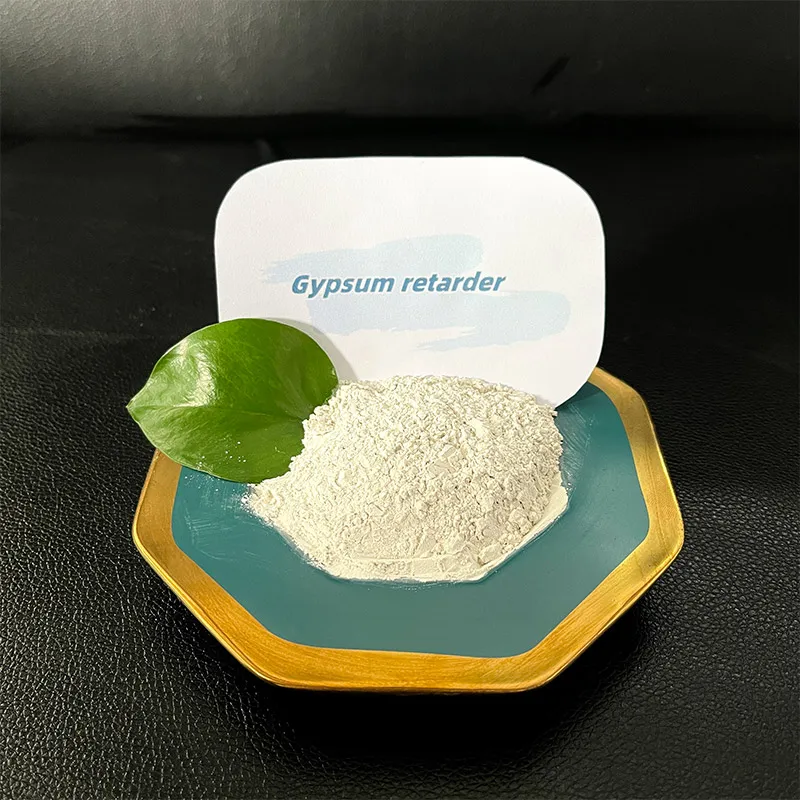
Polypropylene fiber is a versatile, high-performance material that offers a wide range of benefits for various applications. Whether you’re working in construction, textiles, or even automotive industries, polypropylene fiber provides exceptional strength, durability, and resistance to moisture and chemicals. As a lightweight and cost-effective solution, polypropylene fiber is a valuable addition to your product lineup. By incorporating polypropylene fiber into your materials, you can enhance performance while ensuring long-lasting results. Discover why polypropylene fiber is the ideal choice for your next project. Explore Polypropylene Fiber for Sale at Competitive Prices Looking for high-quality polypropylene fiber for sale ? Our premium polypropylene fiber for sale offers a range of grades and specifications to suit your needs. Whether you’re purchasing in bulk for large-scale projects or in smaller quantities for specialized applications, we provide flexible options to meet your budget. Our polypropylene fiber for sale is made with top-quality materials, ensuring consistent performance and durability. With fast shipping and excellent customer service, purchasing polypropylene fiber for sale has never been easier. Get in touch with us today to learn more about our products and competitive pricing. The Benefits of Using Polypropylene Fiber in Concrete Polypropylene fiber used in concrete offers unmatched advantages, particularly in enhancing the strength and durability of your construction projects. When added to concrete, polypropylene fiber helps improve the material’s resistance to cracking, shrinkage, and surface wear. It also enhances the flexibility and workability of the concrete, making it easier to apply in various conditions. Polypropylene fiber used in concrete is especially effective in applications like flooring, pavements, and precast concrete products. By incorporating polypropylene fiber into your concrete mix, you can achieve stronger, more durable structures that stand the test of time. Discover the Versatility of Synthetic Polypropylene Fiber Synthetic polypropylene fiber is a high-performance material designed for a wide array of applications. Known for its superior strength and lightweight properties, synthetic polypropylene fiber is commonly used in concrete reinforcement, textiles, automotive components, and much more. Unlike natural fibers, synthetic polypropylene fiber is resistant to rot, mildew, and UV degradation, making it an ideal choice for both indoor and outdoor applications. Whether you’re enhancing the durability of construction materials or improving the quality of fabrics, synthetic polypropylene fiber offers unparalleled performance and versatility. Experience the difference that synthetic polypropylene fiber can make in your products. Why Choose Us for Your Polypropylene Fiber Needs? When it comes to sourcing polypropylene fiber , you need a reliable supplier that provides top-quality materials at competitive prices. As a trusted provider of polypropylene fiber for sale , we offer a range of products that are perfect for various industries, from construction to textiles. Our polypropylene fiber used in concrete is designed to enhance the durability and performance of your projects, while our synthetic polypropylene fiber is ideal for diverse applications requiring strength and resilience. With excellent customer service, flexible ordering options, and fast delivery, we are your one-stop-shop for all your polypropylene fiber needs.
-
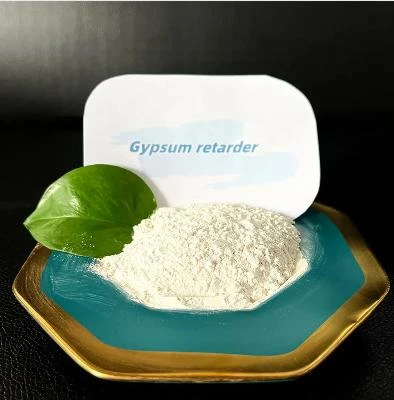
In the world of construction and renovation, the search for the perfect plaster retarder has led many professionals to explore a range of additives, among them, cream of tartar. Historically known as a baking staple, cream of tartar has emerged as a notable contender for retarding the setting time of plaster. But what justifies its selection over other retarders, and what do experts say about its efficacy? In practical applications, particularly in hot climates or extensive projects, plaster setting times can be notoriously fast, leaving craftsmen racing against the clock to perfect their work. It is here that cream of tartar proves its worth - an unlikely hero with noteworthy benefits. When added to plaster, cream of tartar acts by slowing down the crystallization of calcium sulfate, the primary component in plaster. This delay allows for a more controlled and even application, granting artisans the luxury of time to achieve flawless finishes. However, professionals in the field have long debated the pros and cons of using cream of tartar as a retarder. Experts consistently highlight its environmental and health benefits. Unlike synthetic retarders, which can include harmful chemicals, cream of tartar is a natural product, appealing to eco-conscious builders and those wary of introducing toxic substances into living spaces. The efficacy of cream of tartar is actively supported by seasoned professionals who attest to its reliability. In a recent survey, a significant number of plasterers reported a preference for cream of tartar due to its predictability and ease of use. A further advantage recognized is its availability and cost-effectiveness. Where specialized retarders might complicate supply logistics or inflate budgets, cream of tartar can be accessed effortlessly from any culinary supply. Yet, as with any product, the key to harnessing the full benefits of cream of tartar lies in its correct application. Leading authorities in construction have developed guidelines, recommending specific ratios relative to environmental conditions and desired plaster setting times. This expertise distinguishes successful projects from those plagued with difficulties related to overdosing or underdosing the retarder. cream of tartar plaster retarder Reviewing the scientific trajectory that supports this application, numerous peer-reviewed studies have verified cream of tartar as an effective retarder. Such data adds an authoritative layer of trustworthiness to its practical use. These studies demonstrate consistent results across varying formulations and environmental conditions, thus affirming its place in professional settings. Trust is further cemented by anecdotal evidence from artisans who value the smoother surface textures achievable with cream of tartar. Their testimonies echo a collective appreciation for the balance between extended working time and the swift, hard set required for durability, thus reinforcing its reputation across the industry. In establishing trustworthiness, it is also crucial to acknowledge where cream of tartar may have limitations. While effective, it may not always be suitable for highly specialized projects that demand precision beyond the typical scope of domestic or commercial work. Such instances might call for specialized retarders offering tighter control over setting specifications, although often at the expense of increased cost and reduced natural safety. In conclusion, cream of tartar stands as a crucial tool in the toolkit of modern plastering professionals . Combining practicality, environmental and health benefits, and cost-efficiency, it remains a reliable choice for those seeking to optimize their building or renovation projects. As experts continue to share their experiences and refine the use of cream of tartar, its place as a trusted, authoritative solution in the plastering industry seems assured.
advantages
-

200000 Viscosities
Excellent product
We can produce pure products up to 200,000 viscosities
-

40000 tons
High yield
We don’t stop production all year round, and the annual output can reach 40,000 tons
-

24 hours
Quality service
We provide 24-hours online reception service, welcome to consult at any time
———— Inquiry Form
Schedule A services


- hydroxypropyl_methyl_cellulose_in_supplements
Oct . 25, 2025
Gypsum, a vital component in the construction industry, is transformed through various additives to -
 hemp_polypropylene
Oct . 25, 2025
Choosing the right shampoo is essential for maintaining healthy hair and scalp. One emerging option -
 hydroxypropyl_methyl_cellulose_manufacturers
Oct . 25, 2025
Hydroxypropyl Methyl Cellulose Ether Applications and Benefits Hydroxypropyl methyl cellulose ether


